Lawn Mowing Poplar — Recycling and Sustainability
 At Lawn Mowing Poplar we place sustainability at the heart of every service. Our Poplar lawn care and garden maintenance programmes are designed to reduce waste, increase local recycling rates and demonstrate low-carbon leadership. We have set a clear recycling percentage target for our operations: to divert 80% of green and recyclable material from landfill within three years. That target covers clippings, branches, soil, and packaging material generated through our Poplar lawn mowing and garden support activities. We align with the boroughs' approach to waste separation — recognising separate streams for food, glass, paper/cardboard, and garden waste — and tailor our collection and sorting to fit local kerbside systems.
Our sustainable rubbish gardening area model prioritises reuse and closed-loop practices. Where appropriate we keep grass cuttings and small prunings on-site as mulch or compost inputs: this reduces truck movements and returns nutrients to soils. We also offer a small on-site composting protocol for community projects and allocate specialist containers for wood chip and leaf collections. These practices reduce the burden on local transfer stations and help the boroughs meet their recycling objectives. Every crew is trained to segregate materials at source, and our foremen carry compact audit sheets to track waste streams per job.

Local transfer stations and resource hubs
Our operations use designated local transfer stations and resource recovery centres in East London and neighbouring boroughs to ensure waste is handled correctly and recycled where possible. We construct collection plans that make use of nearby transfer facilities and municipal green waste depots, which expedites processing and keeps haulage distances short. Typical recycling activity relevant to the area includes separation of:- Garden waste (composted or turned into mulch)
- Wood and bulky green waste (chipped for biomass or recycled into timber products)
- Contaminants and non-organics (sorted out and sent to municipal dry recycling streams)
We have developed partnerships with charities and social enterprises to maximise reuse. Local community gardens, allotment networks and organisations that accept soil and plant material benefit from surplus mulch and compost. We work with donation partners that take useful, reusable items and small amounts of topsoil or turf where appropriate. These alliances reduce waste sent for disposal and support local green spaces. Partnerships with charities also help us channel larger timber and pallet materials to organisations that can repair and reuse these items rather than shredding them.

Low-carbon vans and fleet decarbonisation
Our fleet includes a growing number of low-emission and electric vehicles tailored for Poplar lawn maintenance tasks. We combine electric vans for shorter urban routes with hybrid or alternative-fuel vehicles for heavier loads, using route optimisation software to cut mileage and idling time. This reduces diesel consumption and associated emissions across all garden services. We monitor fuel usage, calculate fleet CO2 per job and publish internal performance metrics to drive continuous improvement. Staff receive training on eco-driving techniques, and we evaluate opportunities to increase zero-emission trips for smaller tool and equipment movements.Transparency matters: our recycling percentage target is complemented by measurable milestones. We report quarterly on diversion rates from landfill, volumes sent to local transfer stations, and the percentage of material passed to charity partners. Our internal aim is not only to meet regulatory expectations but to exceed them — supporting borough goals for household and commercial waste separation and contributing to the wider circular economy for green waste.
Operationally, the sustainable rubbish gardening area concept means designing jobs so that waste creation is minimised and material loops stay local. We prioritise on-site solutions like mulching and compost creation, then route remaining material to municipal resource hubs or partner charities. Waste separation at the point of collection is standard practice on every job: crews carry labelled sacks and mini-bins to separate organics from plastics, metal, and general refuse. This practice mirrors borough collection systems and reduces contamination that can prevent recycling.
 Training and community engagement are essential. We run internal workshops for crews on proper segregation, safe handling of materials and how to identify items suitable for donation. We also support local environmental events and supply mulch or compost to community planting initiatives when available. These contributions create visible benefits in the neighbourhood while keeping useful material in productive use instead of disposal.
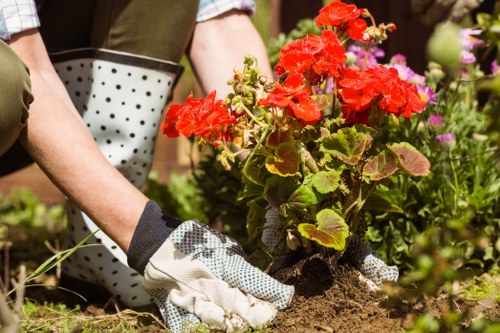 Our commitment to sustainable Poplar lawn mowing and green waste management is practical and measurable: high diversion targets, reliance on local transfer stations, charity partnerships, and a steadily decarbonising fleet. By combining responsible field practice with smart logistics and local collaboration, Lawn Mowing Poplar aims to be a positive contributor to the boroughs' waste separation ambitions and the local circular economy. We continually review our processes, seek new reuse opportunities, and invest in lower-carbon vehicles to ensure our services remain both effective and environmentally responsible.
Key actions at a glance:
- Recycling percentage target: 80% diversion of green and recyclable material within three years.
- Local transfer stations: prioritised use of nearby resource recovery centres to shorten haulage and speed processing.
- Charity partnerships: reuse and donation routes for compost, wood and usable topsoil to community organisations.
- Low-carbon fleet: electrified and hybrid vans, eco-driving, and route optimisation to reduce emissions.
Lawn Mowing Poplar remains committed to responsible waste management, sustainable garden care and ongoing collaboration with local borough systems and community partners to create greener streets and healthier soils.